
As digital displays become increasingly ubiquitous, a quiet revolution is taking place in how we perceive and interact with visual content.
3D Projection fusion—the seamless blending of multiple projectors to create a single, cohesive, high-resolution image—has moved from a niche technical capability to a cornerstone of modern immersive experiences. But what does this mean for 3D industries ranging from entertainment to education, and how is this technology reshaping our visual world?
The Technical Core: What Defines Modern Projection Fusion
At its heart, projection fusion involves sophisticated algorithms that align, blend, and color-correct images from multiple projectors. The primary challenge has always been eliminating visible seams—those distracting lines where two images overlap. Contemporary systems achieve this through advanced edge blending techniques, which gradually fade and adjust the luminance of overlapping regions.
Industry data suggests that the global market for projection mapping and fusion solutions has seen steady annual growth, with a significant surge in applications like virtual production and experiential retail. Modern projectors now achieve brightness levels exceeding 20,000 lumens, while software solutions automatically calibrate color and geometry corrections in near real-time. 3D Projection fusion is no longer limited by hardware constraints; it’s now defined by creative potential.
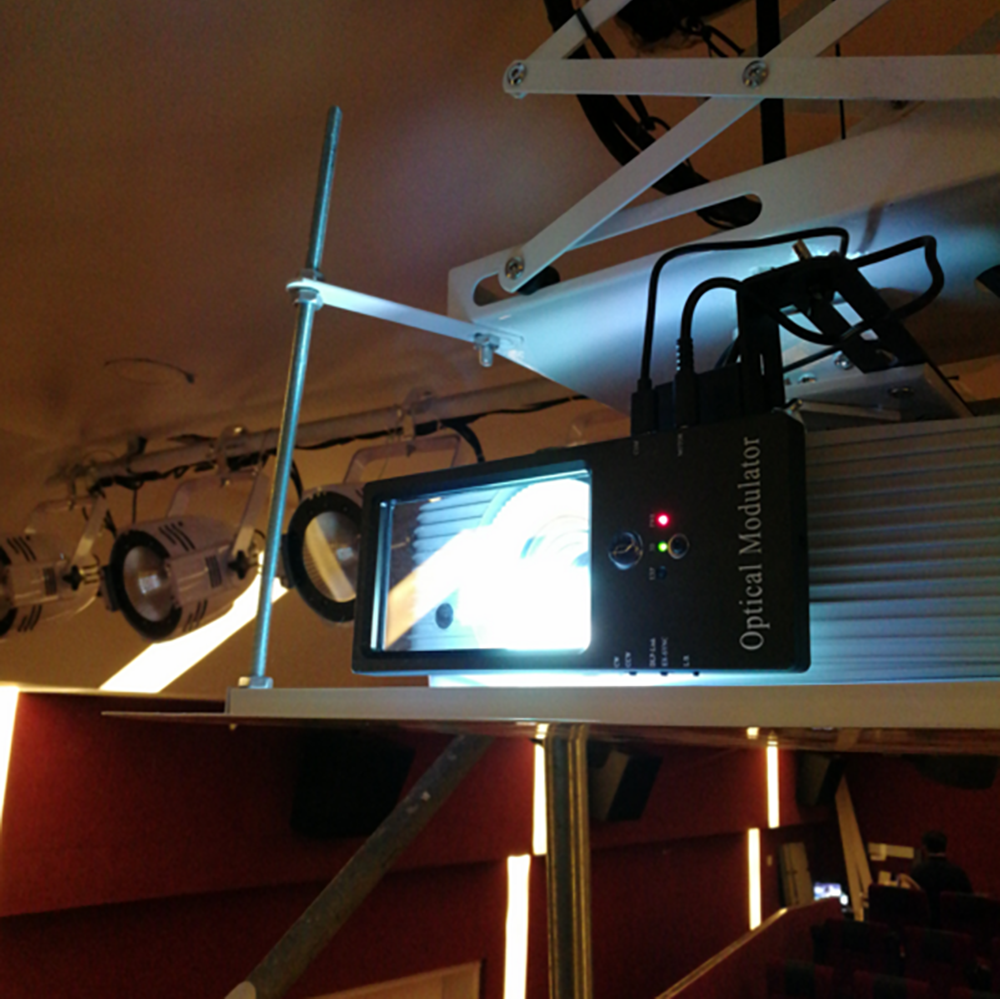
A key enabler of this transformation is the integration of real-time rendering engines. Systems like YANTOK’s platform demonstrate how content can be warped, masked, and blended dynamically, allowing creatives to treat an entire wall or structure as a single, flexible canvas. This reduces setup time from days to hours.
Practical Applications: From Corporate Lobbies to Live Events
Theater and Immersive Art
The most visible application of projection fusion remains in live performances and large-scale installations. By covering entire stages with fused projections, artists and event designers can transport audiences to entirely new environments without physical sets. For example, a major technology expo in 2024 used over 20 projectors to create a fully immersive 360-degree environment, allowing visitors to explore a digital coral reef.
Corporate and Educational Spaces
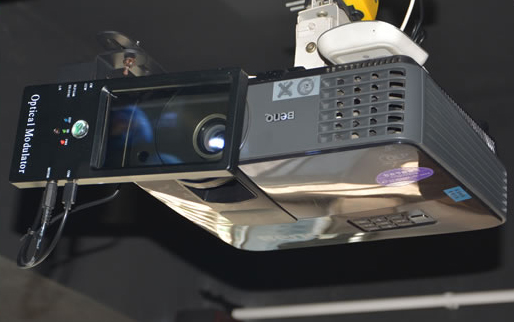
In conference rooms and training centers, projection fusion replaces expensive, single large-format displays with more flexible multi-projector setups. A training facility for a global automotive manufacturer recently adopted a curved-screen solution using projection fusion, giving mechanics a panoramic view of engine schematics without distortion. This approach reduces costs by approximately 40-50% compared to direct-view LED walls for very large surfaces, while allowing for higher native resolution per pixel.
Virtual Production and Broadcasting
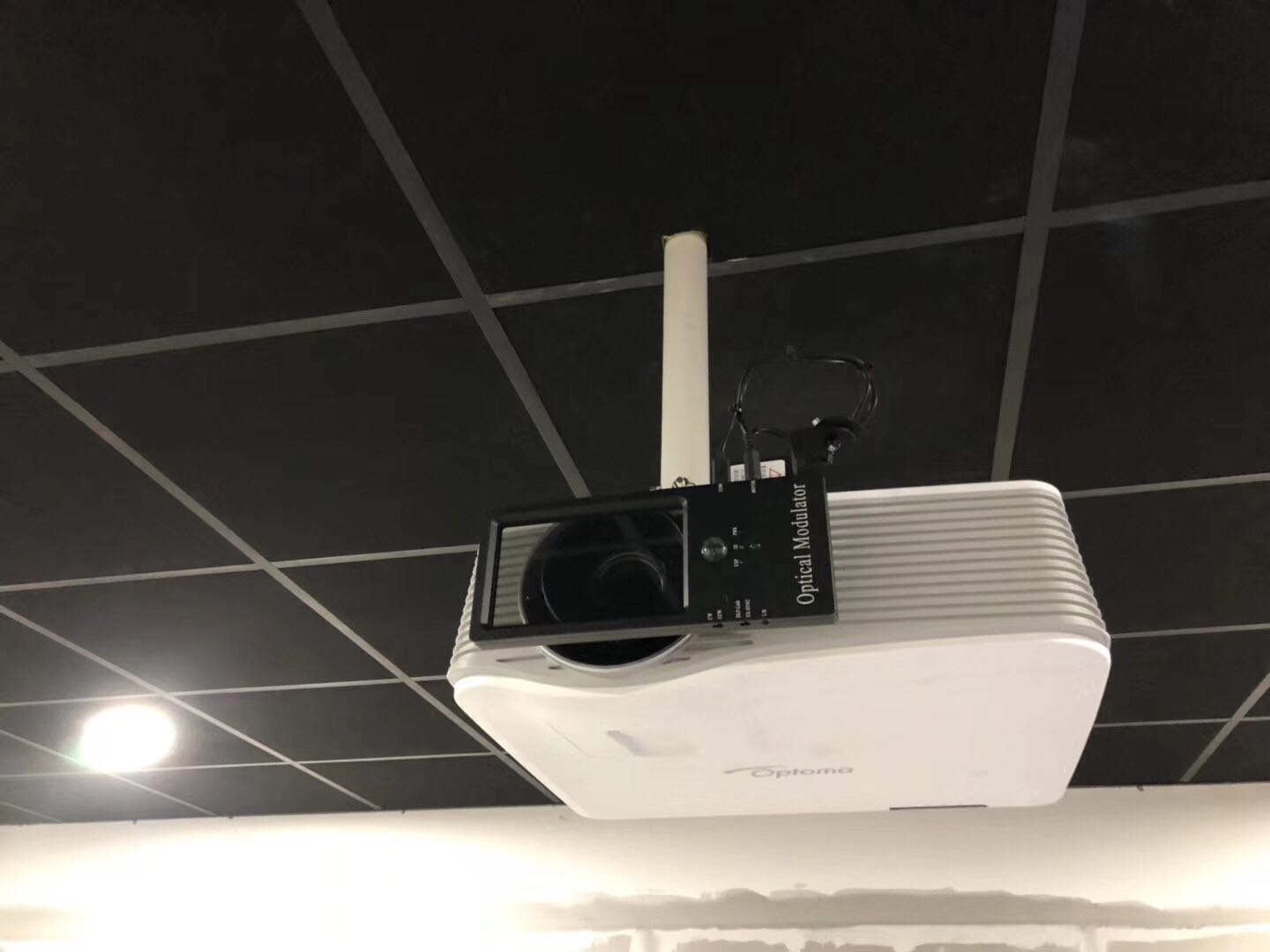
The film industry’s adoption of LED volumes has influenced a parallel trend: using 3D projection fusion in virtual production. While LED walls offer high luminance, fused projections provide infinite depth and lower cost for static or slowly changing backgrounds. Several budget-conscious studios now combine projection fusion with green screens, creating practical backgrounds for actors without the heavy post-production workload.
Challenges and Future Directions
Despite its promise, 3D projection fusion faces persistent challenges. Ambient light interference remains a major hurdle for daytime or brightly lit environments. Advanced color calibration software from companies like YANTOK helps mitigate this, but it’s not a complete solution. Additionally, achieving precise alignment on curved or non-planar surfaces requires significant computational overhead.
Looking ahead, the integration of AI-driven auto-calibration is the next frontier. Rather than manual alignment, future projection fusion systems will use cameras and machine learning to detect and correct misalignments in seconds. Another exciting trend is the combination of projection fusion with holographic and light-field technologies, aiming to create truly volumetric displays that don’t require special glasses.
Conclusion: The Visual Language of Hybrid Spaces
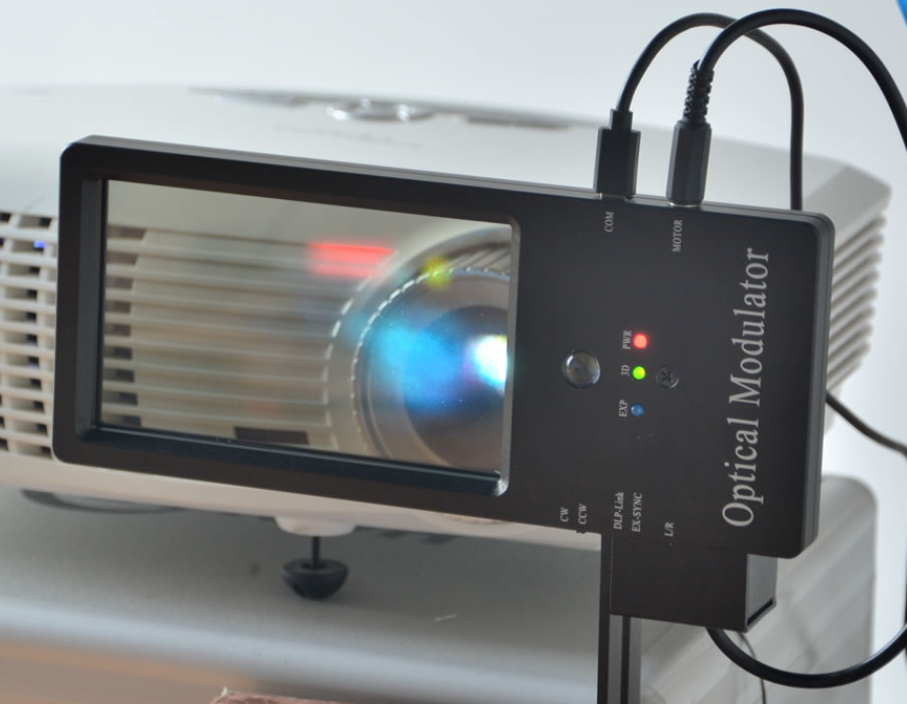
Projection fusion is more than a technical capability—it is a tool for redefining spatial storytelling. As content creation tools become more accessible and hardware costs decline, we can expect this technology to permeate everything from museum exhibits to storefront advertising. The key takeaway for professionals is that projection fusion enables creative freedom previously reserved for blockbuster budgets.
For those looking to explore this space, starting with scalable software platforms that support automatic blending (like those from YANTOK) can dramatically lower the entry barrier. The future of visual experiences lies not in single, massive screens, but in the seamless, intelligent fusion of multiple projections that adapt to any environment. The question is no longer “Can we project that?” but “Where shall we project it next?”