
Driven by the booming demand for immersive visual experiences, 3D stereoscopic presentation based on full-color LED displays has been widely adopted in cultural tourism performances, commercial exhibitions, stadium venues and conference scenarios. Unlike traditional 2D display technology, 3D LED visualization delivers authentic spatial depth and an immersive viewing experience through professional equipment matching and precise technical debugging. This blog summarizes hands-on practical experience, breaks down the full implementation workflow of full-color LED 3D stereoscopic display, and shares actionable industry techniques and forward-looking insights for practitioners.
1. Pre-Practice Preparation: Equipment Selection & Compatibility Matching
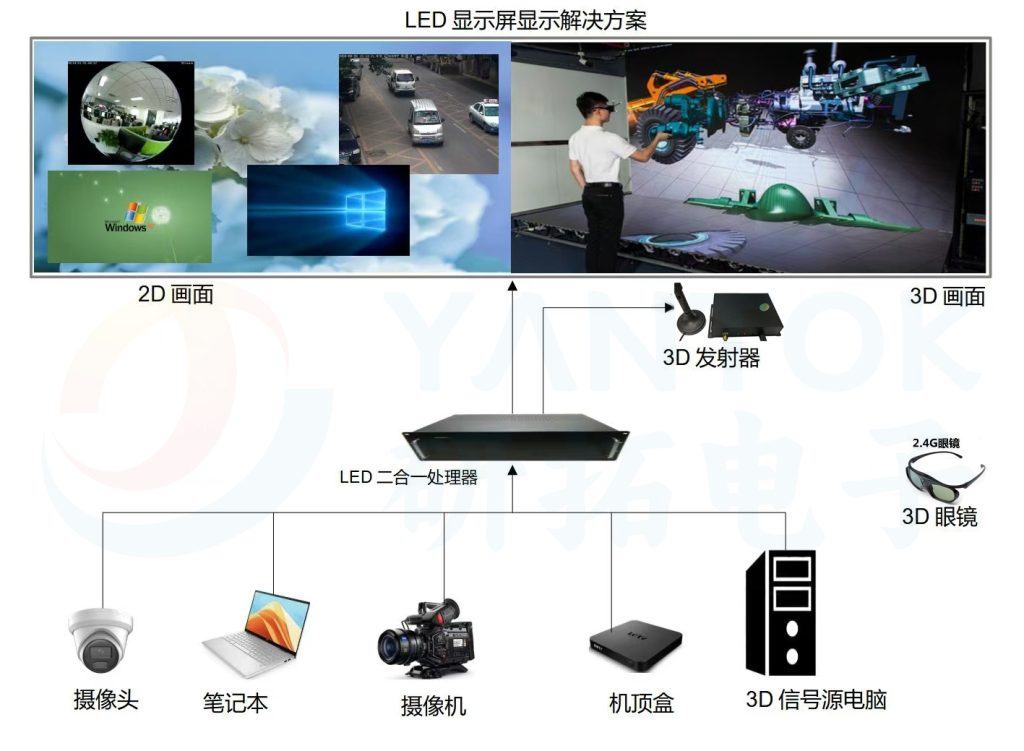
A compatible and high-performance equipment combination lays the foundation for flawless 3D stereoscopic display effects. The overall system mainly consists of full-color LED displays, video processors and 3D auxiliary devices, whose compatibility directly determines the final display quality. Industry statistics indicate that over 70% of 3D display failures stem from improper equipment matching, making scientific selection a critical pre-construction step.
For LED display screens, mainstream reputable brands including Liantronics, Unilumin and Absen are ideal choices for 3D stereoscopic applications. Equipped with high refresh rate and high contrast ratio, these displays effectively eliminate image ghosting and ensure clear and layered 3D visuals. In terms of video processors, products from NovaStar, Colorlight and Mocle boast powerful signal processing capabilities, enabling stable and lossless transmission of 3D image signals.
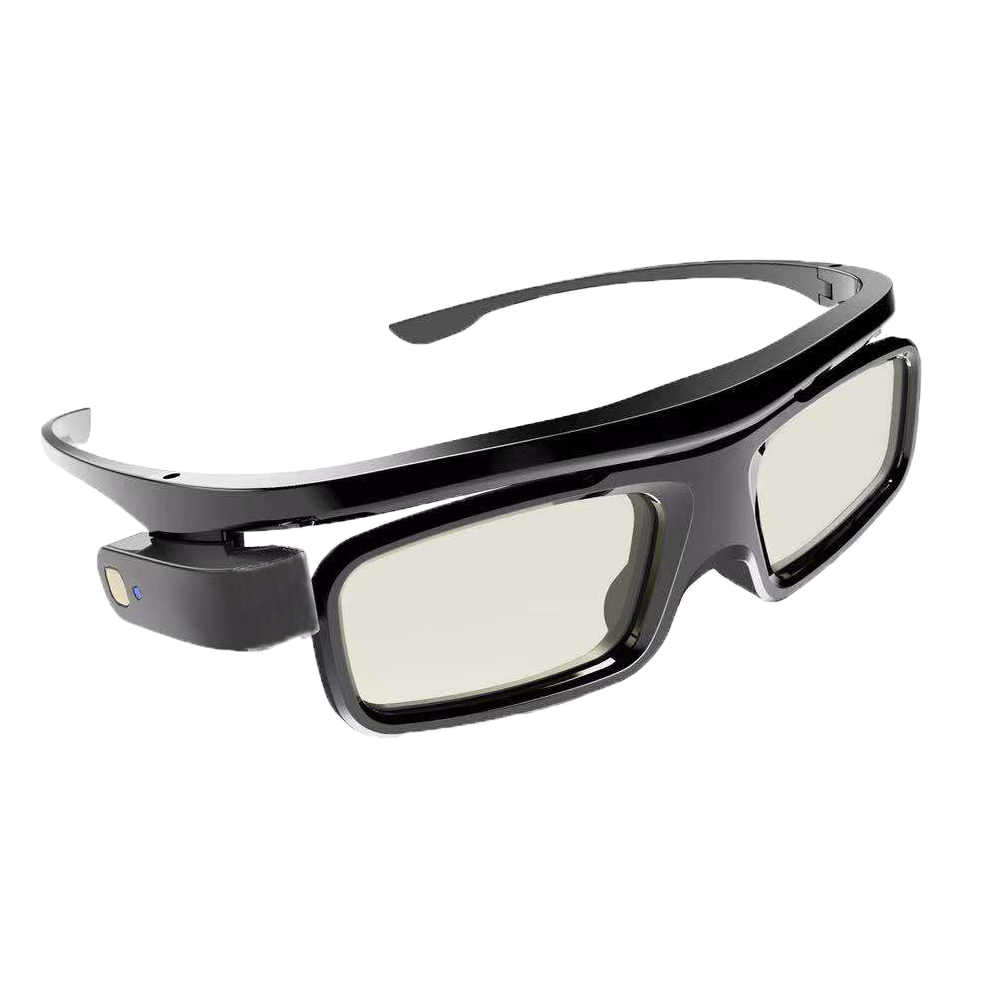
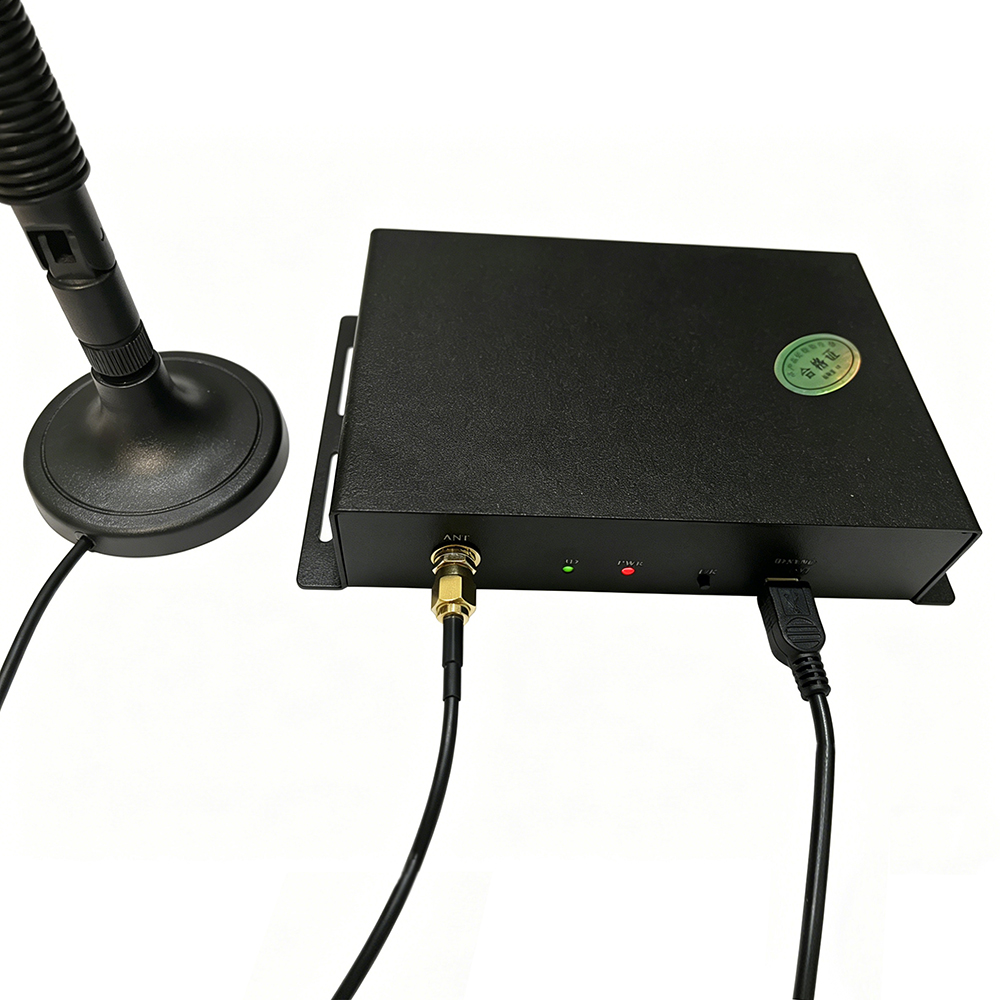
For professional 3D auxiliary equipment, the YANTOK 3D solution offers reliable and universal compatibility. Its YT-EMT100PRO 3D signal transmitter, paired with YT-SG801RF active shutter glasses, adopts 2.4GHz RF transmission technology. Featuring wide signal coverage and anti-interference stability, the whole set can perfectly match the aforementioned mainstream LED displays and video processors without additional equipment modification or system upgrade, greatly reducing pre-installation costs and technical thresholds.
2. Core Operation: Standardized Debugging Process & Key Technical Tips
After the completion of equipment installation, fine debugging is the core link that determines the final 3D immersive effect. The entire debugging process can be standardized into three systematic steps: signal synchronization, parameter calibration and visual effect testing, balancing professional accuracy and practical operability.
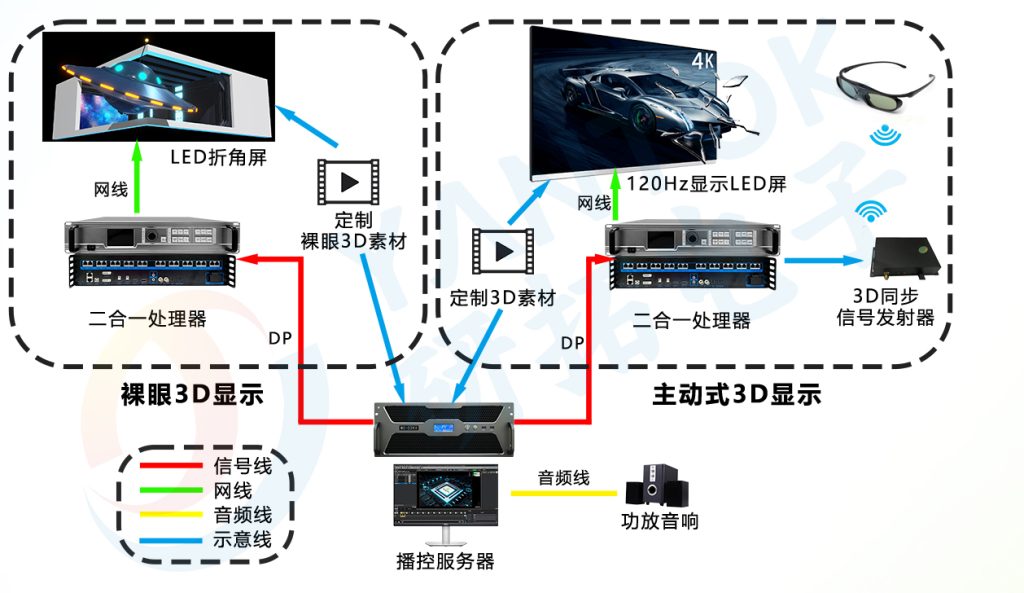
First, complete signal synchronization debugging. Connect the YANTOK YT-EMT100PRO 3D signal transmitter with the video processor and full-color LED display to realize real-time synchronization between 3D signal output and screen image playback. It is essential to ensure successful pairing between the transmitter and shutter glasses, achieving full signal coverage without blind spots to avoid frame stuttering and desynchronization between visual images and wearable devices.
Second, conduct professional parameter calibration. Adjust the core parameters of the display including brightness, contrast and refresh rate according to on-site ambient light conditions, so as to reduce 3D crosstalk and alleviate viewer dizziness and visual fatigue. Practical data from leading industry enterprises verifies that setting the LED display refresh rate above 7680Hz can greatly improve the smoothness of 3D dynamic images and deliver a more comfortable viewing experience.
Finally, carry out multi-scenario effect testing. Test the 3D display effect from multiple viewing angles and distances to troubleshoot common problems such as image ghosting, color distortion and uneven stereoscopic layering. This step ensures consistent and high-quality 3D visualization to meet diverse viewing requirements of different application scenarios.
3. Common Practical Pain Points & Industry-Optimized Solutions
Based on multi-scenario practical implementation experience, the large-scale application of full-color LED 3D stereoscopic displays mainly faces two core challenges, with mature and targeted solutions available in the industry.
The first pain point is 3D effect attenuation in high-brightness outdoor environments. Strong ambient light will weaken the stereoscopic layering and clarity of 3D images. The optimal solution is to adopt high-brightness customized full-color LED displays, matched with YANTOK professional 3D supporting equipment. Combined with targeted parameter tuning to enhance image penetration and contrast, it can effectively offset the interference of strong outdoor light and restore high-definition 3D stereoscopic effects.
The second pain point is multi-device compatibility risks during linkage operation. To avoid signal mismatch and system conflict caused by mixed equipment brands, it is recommended to adopt a unified compatible equipment system. For example, matching LED screens from LianTronics and AOTO with video processors from Linsn and Kystar, together with YANTOK’s supporting 3D signal transmitters and shutter glasses, can maximize system compatibility, reduce debugging difficulty and lower equipment failure rates.
4. Summary & Industry Future Outlook
The core essence of full-color LED 3D stereoscopic display implementation lies in scientific equipment matching and precise parameter debugging. There is no need for overly complex technical transformation. As long as practitioners select compatible equipment combinations and avoid common operational misunderstandings, stable, clear and immersive 3D visual effects can be efficiently realized.
With the continuous upgrading of LED display technology towards fine-pitch and Micro LED, the overall visual performance of 3D stereoscopic display is being comprehensively optimized. Industry market data shows that the global market for 3D-enabled full-color LED displays will maintain a compound annual growth rate (CAGR) of over 12% in the next six years, with surging demand in cultural tourism, commercial display, radio and television, and venue operation fields.
Looking ahead, 3D display technology will realize in-depth integration with emerging technologies such as AI and XR. Full-color LED 3D stereoscopic presentation will evolve towards higher definition, stronger immersion and simpler operation, bringing revolutionary visual upgrading and innovative application possibilities for various industries.